

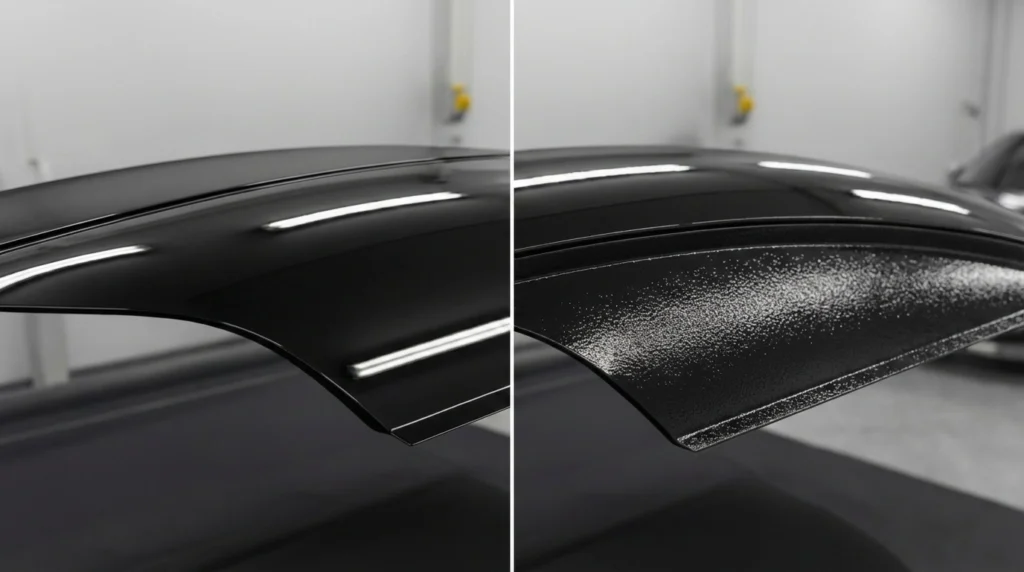
Common Powder Coating Defects and How to Prevent Them
Powder coating is known for its durability, corrosion resistance, and high‑quality finish, making it a popular choice across manufacturing, automotive, aerospace, and industrial applications.
However, even the best coating systems can develop defects if preparation, application, or curing processes are not carefully controlled. Understanding common powder coating problems and how to prevent them is essential for consistent results and long‑lasting performance.
Achieving a flawless finish requires precise control over every stage of the process, from surface preparation to curing. Even minor inconsistencies in application can lead to visible defects that impact both appearance and long‑term durability.
In this guide, we’ll break down the most common powder coating defects, explain why they happen, and share practical prevention tips.
Whether you’re a manufacturer looking to improve finish quality or a designer aiming for flawless appearance, knowing how to avoid these issues can help you reduce rework, minimize downtime, and maintain a professional finish.
Common Powder Coating Defects
1. Orange Peel Texture
One of the most recognizable powder coating defects is the “orange peel” effect, a bumpy or uneven surface that resembles the texture of an orange. This issue is often caused by incorrect curing temperatures, improper powder flow, or uneven film thickness.
To prevent orange peel, ensure consistent application techniques, maintain proper gun settings, and verify that curing ovens reach the recommended temperature range. Surface preparation and powder quality also play a key role in achieving a smooth, uniform finish.
2. Poor Adhesion and Peeling
Adhesion problems occur when the powder coating fails to bond properly with the substrate, leading to peeling, chipping, or flaking. In most cases, this is the result of inadequate surface preparation, contamination, or insufficient curing.
Thorough cleaning, degreasing, and proper pre‑treatment are essential to ensure strong adhesion. Monitoring curing times and temperatures helps the coating fully cross‑link, reducing the risk of premature failure.
3. Pinholes and Outgassing
Pinholes appear as small craters or bubbles on the coated surface and are commonly caused by trapped gases escaping during curing. Porous substrates, residual oils, or moisture can all contribute to this issue.
Preventing pinholes starts with proper surface preparation and pre‑baking components when necessary to release trapped gases. Using powders formulated for outgassing resistance can also improve results on challenging materials.
4. Uneven Coverage and Thin Spots
Uneven coverage can result in inconsistent appearance, reduced durability, and areas prone to corrosion. Complex geometries, poor grounding, or incorrect spray angles often lead to thin spots or missed areas.
Maintaining consistent spray techniques, adjusting electrostatic settings, and ensuring proper part positioning during coating can help achieve even film thickness and complete coverage.
5. The Faraday Cage Effect
The Faraday cage effect occurs when powder struggles to reach recessed areas or tight corners due to electrostatic field interference. This can leave difficult‑to‑coat areas under‑protected.
Lowering voltage settings, adjusting spray angles, and applying powder in multiple passes can help improve coverage in complex shapes.
Why Preventing Powder Coating Defects Matters
Preventing powder coating defects isn’t just about aesthetics, it’s about performance and long‑term cost savings. Defects can lead to premature corrosion, product failures, and costly rework. By implementing proper surface preparation, precise application methods, and controlled curing processes, businesses can significantly improve coating durability and reduce maintenance needs.
High‑quality powder coating not only protects components but also enhances brand reputation by delivering consistent, professional results. For industries where reliability and appearance are equally important, preventing defects is a key part of achieving operational efficiency.
Best Practices for Consistent Powder Coating Quality
Preventing common powder coating defects starts with a proactive approach. Successful coating operations rely on consistent surface preparation, proper equipment calibration, and experienced application techniques. Regular equipment maintenance ensures spray guns deliver the correct charge and powder output, while routine quality inspections help catch potential issues early before they become costly problems.
Environmental conditions such as temperature, humidity, and airflow also play a major role in coating performance. Maintaining a controlled coating environment helps ensure powder flows evenly, cures properly, and delivers the durability customers expect from high‑performance powder coating finishes.
Our team works closely with customers to identify potential challenges early, ensuring every project benefits from expert preparation, application, and finishing processes designed to prevent defects before they occur.
How Crest Coating Helps You Avoid Powder Coating Problems
At Crest Coating, we combine industry expertise with proven application processes to minimize common powder coating issues before they occur. Our team focuses on detailed surface preparation, precision application techniques, and strict quality control standards to ensure every project meets performance expectations.
By identifying potential challenges early, from material compatibility to geometry considerations, we help customers achieve durable, high‑quality finishes that stand up to real‑world conditions.Contact us today to avoid powder coating defects and ensure a flawless, long‑lasting finish for your next project.