

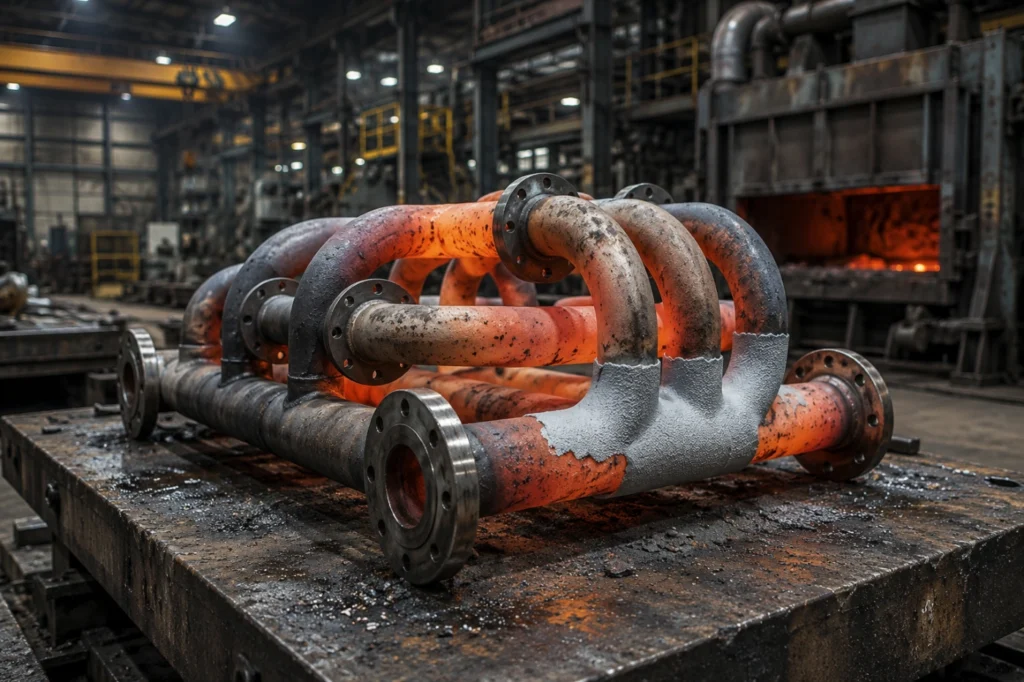
High-Temperature Coatings That Outperform in Extreme Conditions
In industrial environments where temperatures can reach extreme levels, protecting equipment from heat-related damage is critical. From petrochemical plants and power generation facilities to aerospace and automotive applications, excessive heat can quickly lead to corrosion, oxidation, abrasion, and structural failure.
High-temperature coatings are specifically engineered to withstand these harsh conditions, helping businesses maintain performance, improve reliability, and extend the lifespan of critical assets.
Unlike conventional coatings, high-temperature coatings are designed to retain their protective properties even under intense and fluctuating heat exposure. These advanced coating systems provide thermal resistance, chemical protection, and durability in environments where standard coatings would rapidly fail.
As industries continue pushing equipment to higher operating temperatures, high-performance heat-resistant coatings have become essential for maintaining efficiency and reducing long-term maintenance costs.
What Are High-Temperature Coatings?
High-temperature coatings are specialized protective coatings engineered to perform in environments exposed to elevated heat. Depending on the formulation, these coatings can withstand temperatures ranging from approximately 200°C (392°F) to well over 1000°C (1832°F).
Many high-temperature coating systems use advanced materials such as silicone-based or ceramic-based formulations to create a durable thermal barrier. These coatings help reduce heat transfer, protect substrates from oxidation and corrosion, and maintain structural integrity under thermal stress.
Thermal barrier coatings are often built as multi-layer systems. In many applications, a protective topcoat provides thermal insulation while an underlying bond coat improves adhesion and durability. This layered design allows coatings to withstand both extreme temperatures and repeated thermal cycling.
Key Performance Characteristics of Heat-Resistant Coatings
1. Exceptional Heat Resistance
The primary advantage of high-temperature coatings is their ability to maintain performance under intense heat exposure. These coatings are engineered to resist breakdown, cracking, and degradation even when exposed to sustained high temperatures.
Silicone-based coatings are commonly used for applications requiring protection up to approximately 650°C (1202°F), while ceramic-based coatings can withstand even more extreme temperatures. This heat resistance helps preserve the structural integrity of equipment operating in demanding environments.
2. Corrosion and Oxidation Protection
High temperatures can accelerate corrosion and oxidation, particularly in industrial environments exposed to chemicals, moisture, or corrosive gases. High-temperature coatings create a protective barrier that helps prevent metal degradation and surface damage.
This protection is especially important in industries such as oil and gas, petrochemical processing, and manufacturing, where equipment is routinely exposed to harsh environmental conditions.
3. Thermal Stability and Durability
Thermal stability refers to a coating’s ability to maintain its physical and chemical properties when subjected to fluctuating temperatures. High-performance coatings are designed to resist peeling, cracking, and delamination caused by thermal expansion and contraction.
This long-term durability helps ensure equipment remains protected even under repeated heating and cooling cycles, reducing maintenance requirements and extending service life.
4. Abrasion and Wear Resistance
Industrial equipment often experiences physical wear in addition to heat exposure. High-temperature coatings are formulated to resist abrasion, scratches, and surface damage that could compromise protection.
By maintaining their integrity in harsh operating environments, these coatings help reduce equipment wear and minimize costly downtime associated with repairs or replacements.
5. Chemical Resistance
Many high-temperature coatings also provide resistance to chemicals and solvents commonly found in industrial environments. This added layer of protection helps preserve the underlying substrate while improving overall coating performance in challenging conditions.
Industries That Rely on High-Temperature Coatings
High-temperature coatings are used across a wide range of industries where heat resistance and equipment protection are essential.
Petrochemical and Oil & Gas
Pipelines, storage tanks, insulated piping, refineries, and processing vessels frequently operate under extreme temperatures. Heat-resistant coatings protect these assets from oxidation and Corrosion Under Insulation (CUI), improving safety and reducing maintenance downtime.
Aerospace
Aircraft engines and exhaust systems experience intense thermal stress during operation. High-temperature coatings help improve oxidation resistance and thermal performance while contributing to component longevity.
Automotive
In the automotive industry, heat-resistant coatings are commonly applied to exhaust systems, turbochargers, and engine components. These coatings help manage heat, improve efficiency, and reduce the risk of thermal damage.
Power Generation
Power plants rely on high-temperature coatings to protect turbines, boilers, and heat exchangers from thermal wear and corrosion. These coatings help improve reliability while reducing the risk of costly outages.
Manufacturing
Manufacturing equipment such as furnaces, kilns, and heat exchangers require reliable protection against extreme heat and oxidation. High-temperature coatings help maintain operational efficiency and prolong equipment lifespan.
Choosing the Right High-Temperature Coating
Selecting the appropriate coating requires careful evaluation of operating temperatures, substrate materials, environmental exposure, and application requirements. Factors such as chemical resistance, abrasion resistance, curing methods, and long-term durability all play an important role in determining coating performance.
Proper surface preparation and application techniques are equally important. Thorough cleaning, appropriate application methods, and controlled curing processes help ensure optimal adhesion and long-term protection.
Different environments may require different coating systems depending on the level of heat exposure and operating conditions. Understanding the specific demands of the application helps ensure the coating delivers the expected level of protection and performance over time.
Why High-Temperature Coatings Matter
High-temperature coatings do far more than improve appearance. They help businesses protect critical assets, reduce maintenance costs, improve operational reliability, and extend equipment lifespan in some of the harshest industrial environments.
As industrial systems continue operating at higher temperatures and under more demanding conditions, advanced heat-resistant coatings remain a critical part of long-term asset protection strategies. By minimizing corrosion, resisting thermal stress, and improving durability, these coatings help companies maintain productivity while reducing the risk of costly repairs and downtime.
Contact Crest Coating today to learn how high-temperature coating solutions can help protect your equipment and improve performance in extreme conditions.